JRC
Context
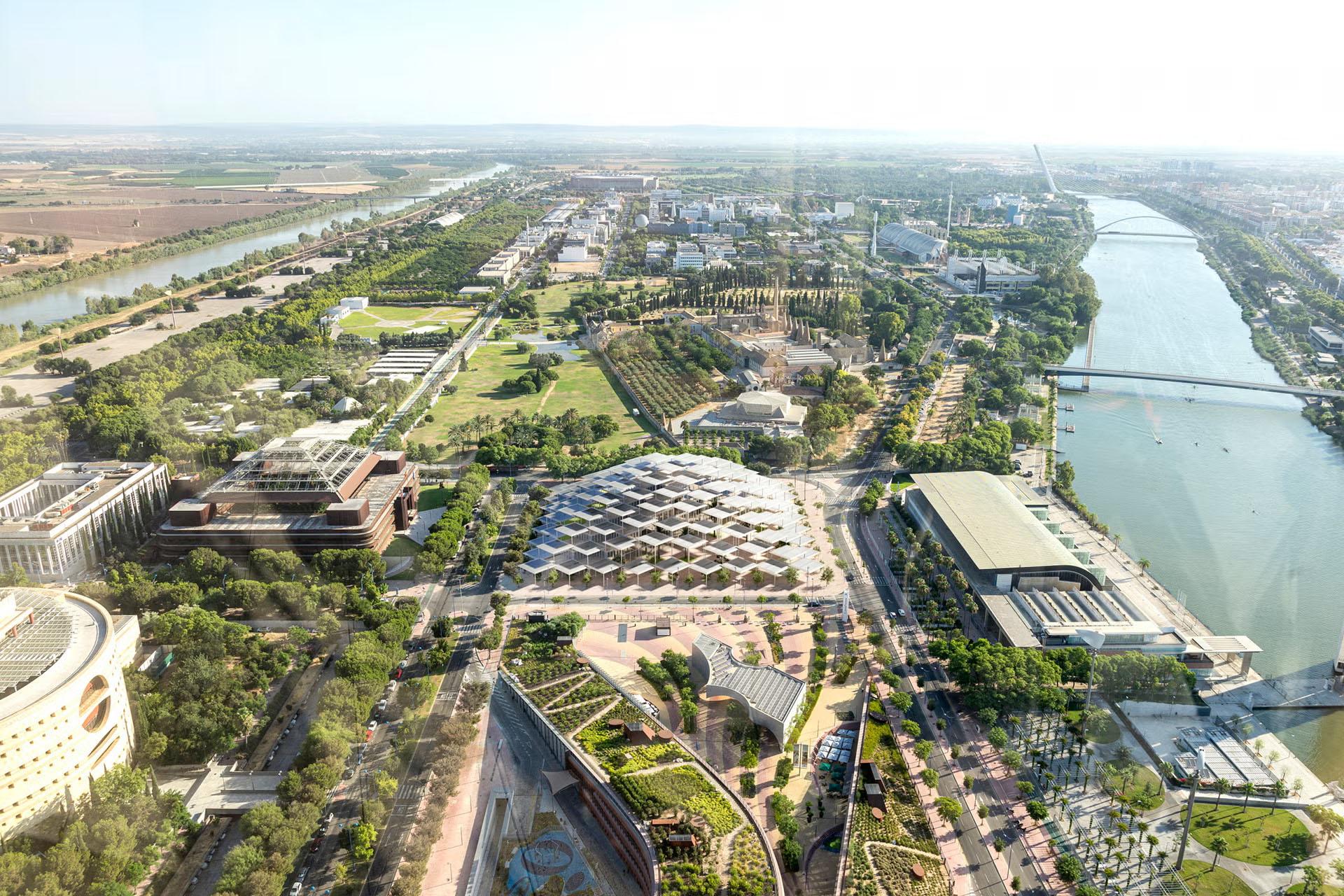
The new building for the Joint Research Centre (JRC) of the European Commission will be located on Isla de la Cartuja in Seville. Designed by the international practice Bjarke Ingels Group (BIG), in collaboration with the local studio HCP, the project is conceived to become the European Commission’s first net-zero emissions building.
Positioned as a benchmark in sustainability and energy efficiency, the building is developed under decarbonisation principles and promotes the use of local materials such as stone and ceramics, integrating technological innovation with strong ties to local construction traditions.
Scope
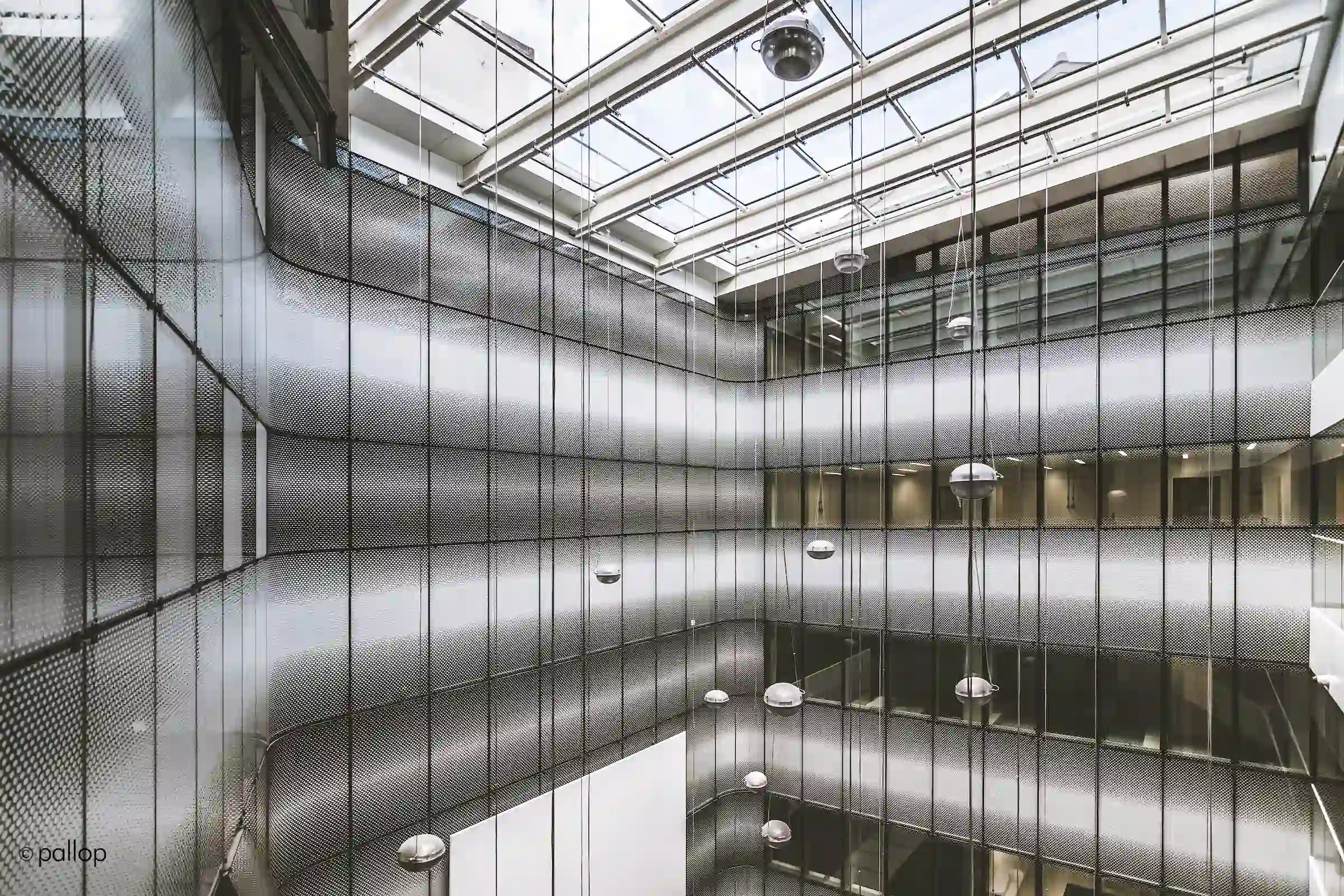
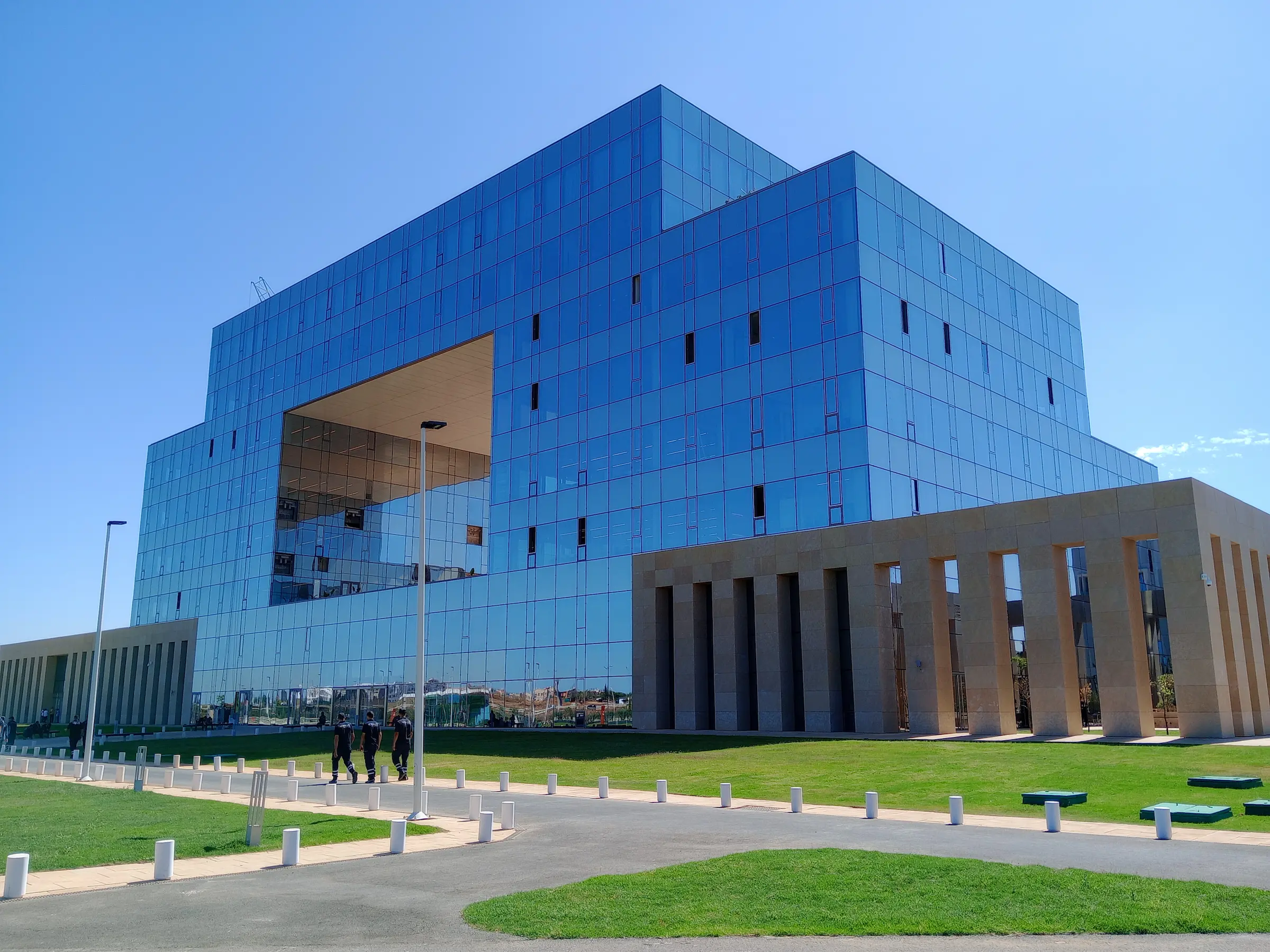
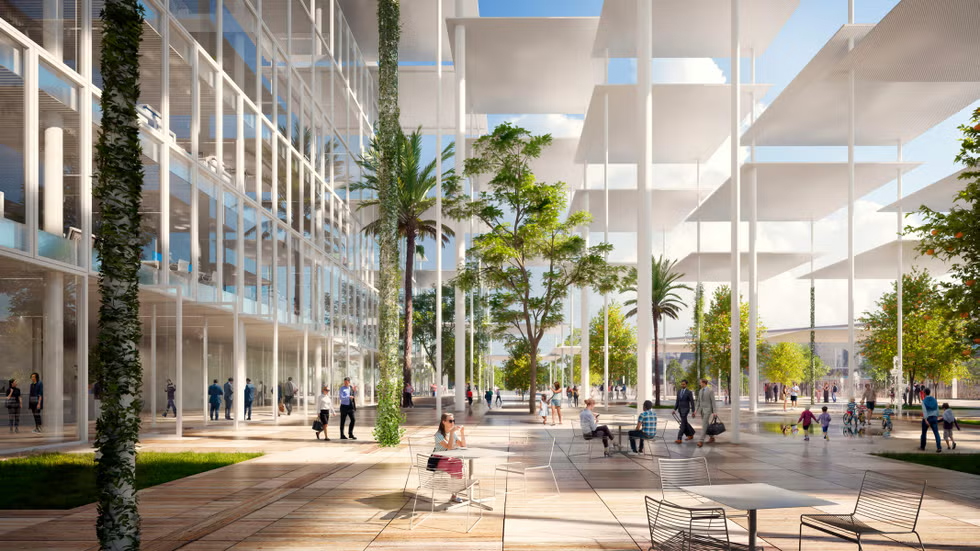
The intervention involves the development of the building’s architectural envelope, conceived as a passive climate-control system adapted to the environmental conditions of Seville. The façade combines high-energy-performance solutions with durable, low-impact materials, optimizing solar protection, natural daylight and indoor comfort for the workspaces.
The envelope design is integrated into a broader bioclimatic strategy that incorporates a large elevated photovoltaic canopy, creating extensive shaded areas that reduce the direct thermal load on the façade. This configuration improves the building’s overall energy performance while establishing a dialogue with Seville’s traditional architecture, reinterpreting elements such as arcades, patios and intermediate spaces that have historically enabled the city’s warm climate to be comfortably inhabited.
Challenge
The main challenge of the project lies in developing an envelope capable of responding to Seville’s demanding climatic conditions, combining solar protection, natural daylight and thermal comfort in order to minimize the building’s energy demand.
The façade is also integrated into a broader architectural strategy in which the solar canopy, outdoor spaces and building envelope work together as a unified system, reinterpreting from a contemporary perspective the traditional climate-adaptation solutions characteristic of Seville’s architecture.